소개
교육
연구
사회기여
languages
- Afrikaans
- Albanian
- Amharic
- Arabic
- Azerbaijani
- Belarusian
- Bengali
- Bosnian
- Bulgarian
- Catalan
- Cebuano
- Chinese(Simplified)
- Chinese(Traditional)
- Corsican
- Croatian
- Czech
- Danish
- Dutch
- English
- Esperanto
- Estonian
- Filipino (Tagalog)
- Finnish
- French
- Frisian
- Galician
- Georgian
- German
- Greek
- Gujarati
- Haitian Creole
- Hausa
- Hawaiian
- Hebrew
- Hindi
- Hmong
- Hungarian
- Icelandic
- Indonesian
- Irish
- Italian
- Japanese
- Javanese
- Kannada
- Kazakh
- Khmer
- Korean
- Kurdish
- Kyrgyz
- Lao
- Latin
- Latvian
- Lithuanian
- Luxembourgish
- Macedonian
- Malagasy
- Malay
- Malayalam
- Maltese
- Maori
- Marathi
- Mongolian
- Myanmar
- Nepali
- Norwegian
- Pashto
- Persian
- Polish
- Portuguese
- Punjabi
- Romanian
- Russian
치과약리학교실
조교수
-
- 전공
- 치과약리학/분자유전학
-
- 학위
- DDS, PhD, Patent Attorney
-
- 전화번호
- 02-880-2320
-
- Laboratory
연구분야
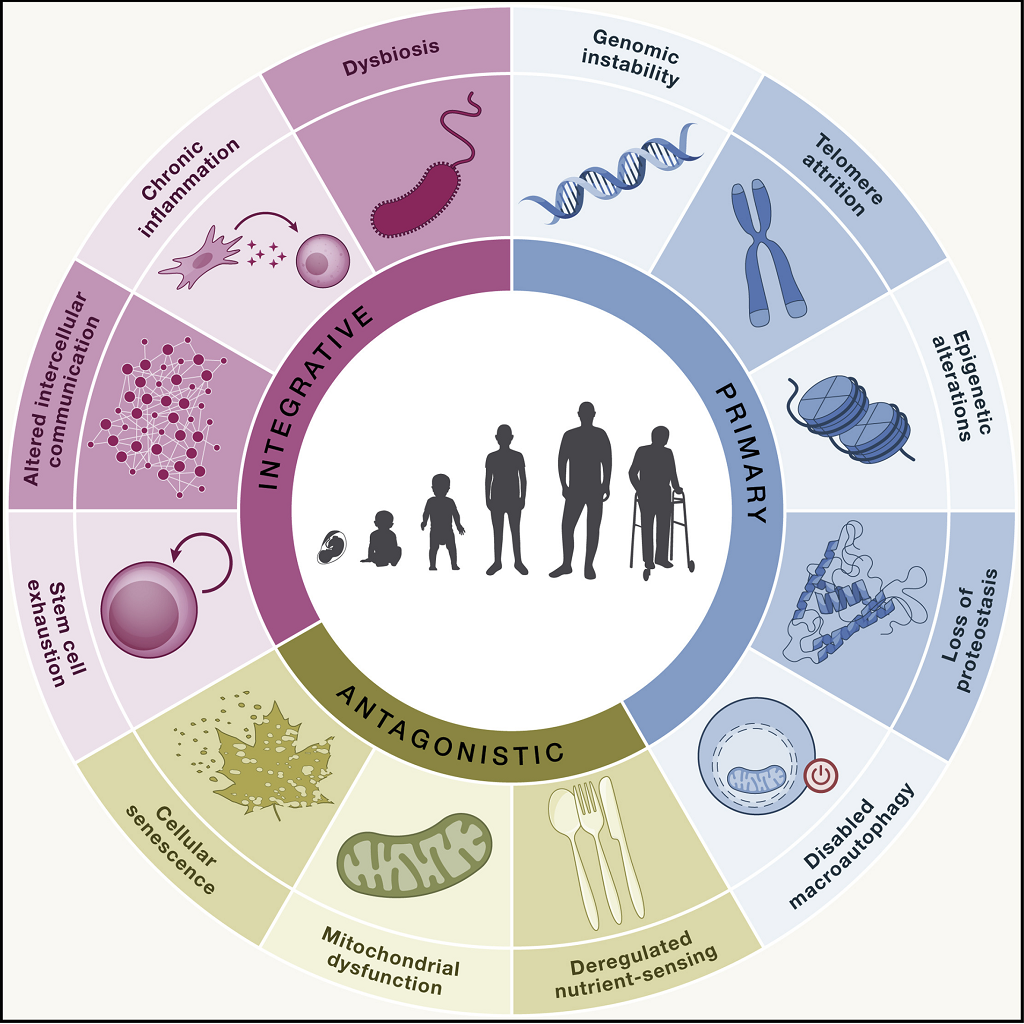 |
| [Hallmarks of aging] |
| At Professor Woo-Jin Kim's laboratory, we are dedicated to unraveling the complexities of aging, particularly within the musculoskeletal system. Our primary focus is on the epigenetic changes that accompany musculoskeletal aging. By exploring these modifications, we aim to understand the fundamental mechanisms that drive the aging process.
Our research delves into how macro-epigenetic changes—such as chromatin architecture—alter gene expression without changing the underlying DNA sequence. These changes can significantly impact the function and regeneration capacity of musculoskeletal tissues. By identifying and understanding these epigenetic alterations, we strive to develop innovative strategies for epigenetic recovery and rejuvenation. To explore the impact of large-scale epigenetic structural changes on aging, we utilize advanced epigenomic Next-Generation Sequencing (NGS) techniques, including Hi-C, ChIP-seq, and ATAC-seq. In addition, we employ multi-omics approaches, such as single-cell transcriptomics and spatial transcriptomics, to gain a comprehensive view of the transcriptional and epigenetic landscapes at both the cellular and tissue levels. Through a combination of these cutting-edge molecular biology techniques, genomic analyses, and collaborative interdisciplinary approaches, our team is working towards translating our findings into therapeutic interventions. Our ultimate goal is to contribute to healthier aging by restoring epigenetic patterns to their youthful states, thereby enhancing musculoskeletal function and reducing age-related degeneration. |
연구방법
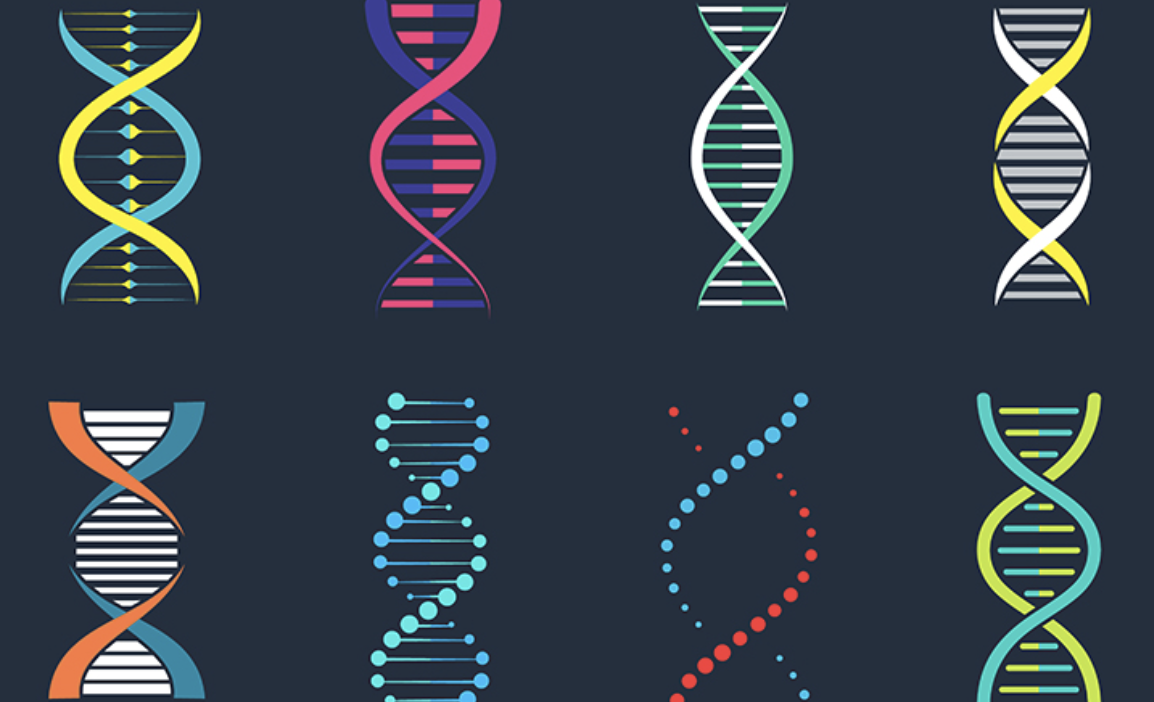 |
DNA-seq (WGS, WXS, Target panel) We conduct research on various types of NGS-based DNA sequencing in our laboratory. DNA sequencing is fundamental to understanding genetic changes underlying various diseases and biological phenomena, enabling investigations into disease causation and biological factors. Currently, our laboratory focuses on studying aging using diverse mouse models and human models, with a particular emphasis on bone aging and cancer research. |
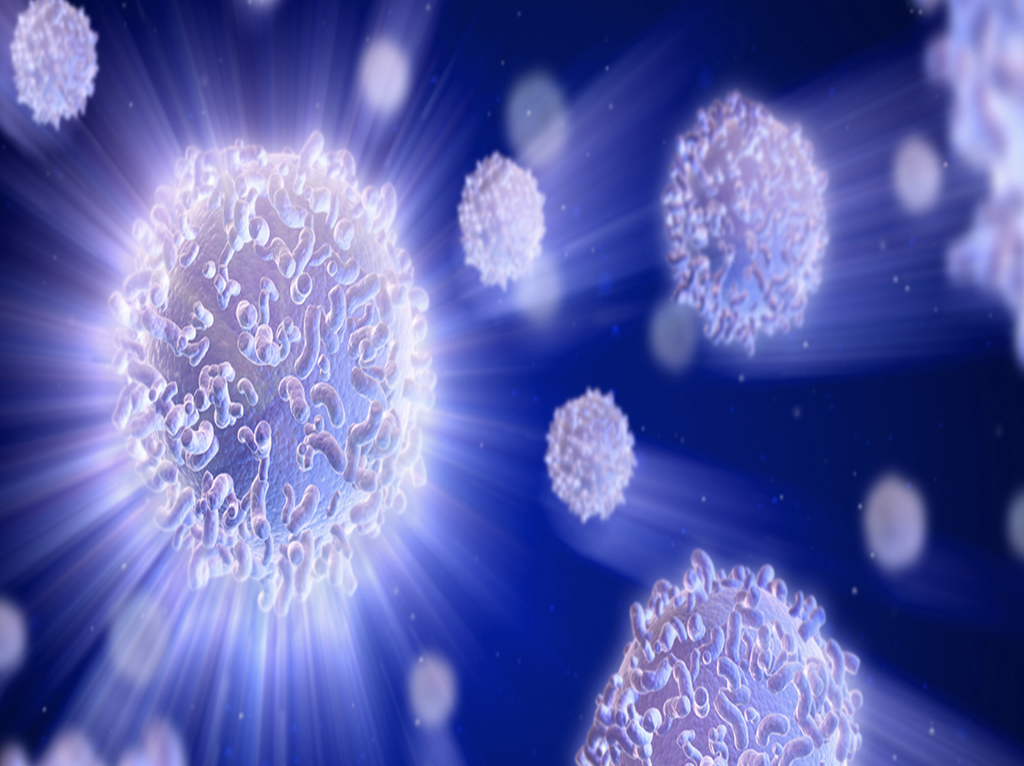 |
RNA-seq (Single cell, Spatial Transcriptome, Multiome) We possess expertise in NGS-based bulk and single-cell RNA sequencing analysis. Our research involves employing machine learning and statistical approaches to analyze gene expression changes which ranging from the single-cell level to case-control design with macro approach. Through these analyses, we can extract biological insights into time-temporal signals and relative differences in cellular communications. In particular, we are also conducting research on Aging and Alzheimer's disease using the latest NGS technology with spatial transcriptomics. |
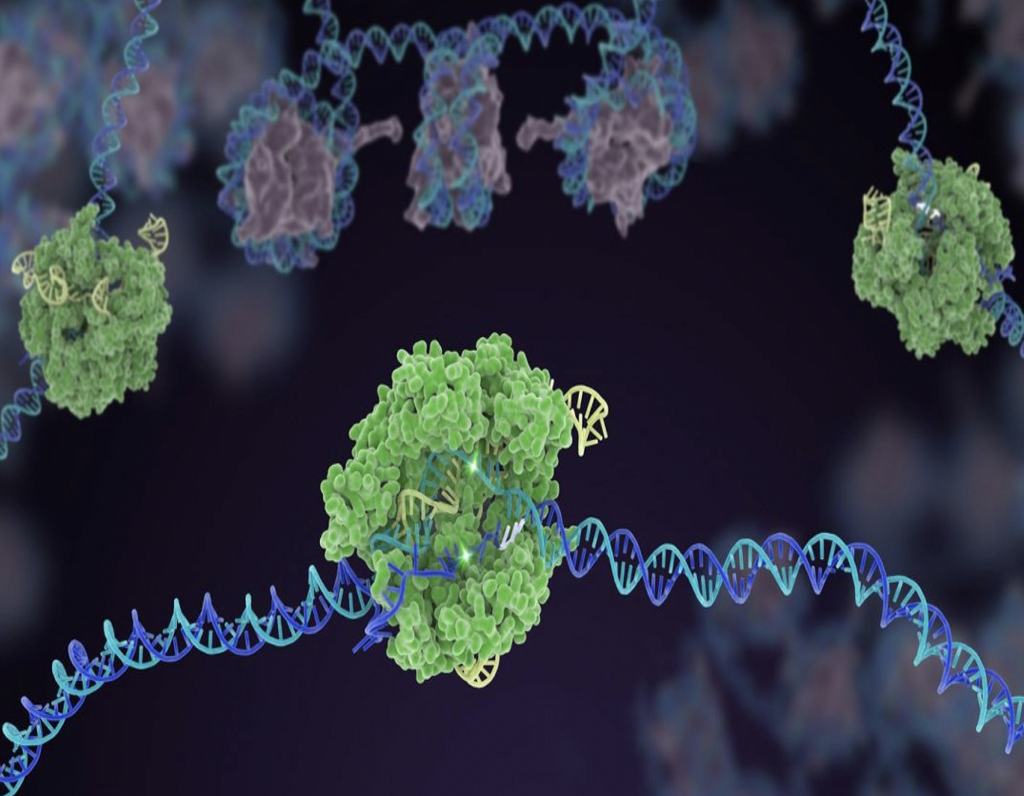 |
Epigenome-seq (ATAC-seq, ChIP-seq, Hi-C) We are particularly interested in studying various types of epigenetic changes that regulate gene expression. By observing the diverse changes in the epigenome during cellular differentiation processes, we aim to interpret biological phenomena that cannot be explained solely by single NGS techniques. Recently, we have been planning to expand our research by incorporating single-cell level experiments, which will allow us to conduct studies that were previously focused on bulk approaches. |
 |
Data analysis & Methodology We integrate various statistical approaches and bioinformatics methodologies for multi-omics genomic analysis. Our research involves the application of diverse analytical methodologies, ranging from machine learning to artificial intelligence utilizing GPUs, to effectively interpret the latest NGS technologies and develop novel methodologies. |
연구목록
- Yoon, H.; Kim, H.J.; Shin, H.R.; Kim, B.S.; Kim, W.J.; Cho, Y.D.; Ryoo, H.M.(2021-01-04). Nicotinamide Improves Delayed Tooth Eruption in Runx2+/− Mice. Journal of Dental Research. ()
- Shin, H.-R.; Kim, B.-S.; Kim, H.-J.; Yoon, H.; Kim, W.-J.; Choi, J.-Y.; Ryoo, H.-M.(2022-01-04). Excessive osteoclast activation by osteoblast paracrine factor RANKL is a major cause of the abnormal long bone phenotype in Apert syndrome model mice. Journal of Cellular Physiology. ()
- Rahman, S.U.; Kim, W.-J.; Chung, S.H.; Woo, K.M.(2023-03-12). Nanofibrous topography-driven altered responsiveness to Wnt5a mediates the three-dimensional polarization of odontoblasts. Materials Today Bio. ()
- Park, S.G.; Kim, W.-J.; Moon, J.-I.; Kim, K.-T.; Ryoo, H.-M.(2023-01-12). MESIA. Scientific reports, Scientific Reports. ()
- Moon, J.-I.; Kim, W.-J.; Kim, K.-T.; Kim, H.-J.; Shin, H.-R.; Yoon, H.; Park, S.G.; Park, M.-S.(2023-01-10). Foci-Xpress. International journal of molecular sciences, International Journal of Molecular Sciences. ()
- Lee, M.C.; Jodat, Y.A.; Endo, Y.; Rodríguez-delaRosa, A.; Zhang, T.; Karvar, M.; Al Tanoury, Z.; Quint, J.(2024-01-12). Engineering large-scale hiPSC-derived vessel-integrated muscle-like lattices for enhanced volumetric muscle regeneration. Trends in Biotechnology. ()
- Kim, J.; Lee, M.C.; Jeon, J.; Rodríguez-delaRosa, A.; Endo, Y.; Kim, D.-S.; Madrigal-Salazar, A.D.; Seo, J.W.(2025-01-01). Combinational regenerative inductive effect of bio-adhesive hybrid hydrogels conjugated with hiPSC-derived myofibers and its derived EVs for volumetric muscle regeneration. Bioactive Materials. ()
- Kim, H.-J.; Shin, H.-R.; Yoon, H.; Park, M.-S.; Kim, B.-G.; Moon, J.-I.; Kim, W.-J.; Park, S.G.(2023-01-08). Peptidylarginine deiminase 2 plays a key role in osteogenesis by enhancing RUNX2 stability through citrullination. Cell Death and Disease, Cell death & disease. ()
- Kim, W.J.; Cho, Y.-D.; Ku, Y.; Ryoo, H.-M.(2022-01-12). The worldwide patent landscape of dental implant technology. Biomaterials Research. ()
- Kim, W.-J.; Bae, J.; Lee, E.-H.; Kim, J.; Kim, P.-J.; Ma, P.X.; Woo, K.M.(2024-01-10). Long noncoding RNA MALAT1 mediates fibrous topography-driven pathologic calcification through trans-differentiation of myoblasts. Materials Today Bio. ()
- Kim, H.-J.; Kim, W.-J.; Shin, H.-R.; Yoon, H.-I.; Moon, J.-I.; Lee, E.; Lim, J.-M.; Cho, Y.-D.(2022-01-03). ROS-induced PADI2 downregulation accelerates cellular senescence via the stimulation of SASP production and NFκB activation. Cellular and Molecular Life Sciences. ()
- Kim, W.-J.; Islam, R.; Kim, B.-S.; Cho, Y.-D.; Yoon, W.-J.; Baek, J.-H.; Woo, K.-M.; Ryoo, H.-M.(2017-01-10). Direct Delivery of Recombinant Pin1 Protein Rescued Osteoblast Differentiation of Pin1-Deficient Cells. Journal of Cellular Physiology. ()
- Kim, W.-J.; Kim, B.-S.; Cho, Y.-D.; Yoon, W.-J.; Baek, J.-H.; Woo, K.-M.; Ryoo, H.-M.(2017-01-08). Efficiency data of intracellular recombinant protein delivery using cationic lipid coated silk fibroin particle. Data in Brief. ()
- Kim, W.-J.; Shin, H.-L.; Kim, B.-S.; Kim, H.-J.; Ryoo, H.-M.(2020-01-08). RUNX2-modifying enzymes. Experimental & molecular medicine, Experimental and Molecular Medicine, Korean Journal of Biochemistry. ()
- Kim, B.; Shin, H.; Kim, W.; Kim, H.; Cho, Y.; Yoon, H.; Baek, J.; Woo, K.(2020-01-02). PIN1 Attenuation Improves Midface Hypoplasia in a Mouse Model of Apert Syndrome. Journal of Dental Research. ()
- Kim, H.-J.; Kim, W.-J.; Ryoo, H.-M.(2020-01-02). Post-Translational Regulations of Transcriptional Activity of RUNX2. Molecules and cells, Molecules and Cells. ()
- Kim, W.J.; Soh, Y.; Heo, S.-M.(2021-01-01). Recent advances of therapeutic targets for the treatment of periodontal disease. Biomolecules and Therapeutics. ()
- Kim, W.-J.; Ryu, J.-H.; Kim, J.W.; Kim, K.-T.; Shin, H.-R.; Yoon, H.; Ryoo, H.-M.; Cho, Y.-D.(2024-01-01). Bone-targeted lipoplex-loaded three-dimensional bioprinting bilayer scaffold enhanced bone regeneration. Regenerative Biomaterials. ()
- Kim, W.-J.; Kim, B.-S.; Cho, Y.-D.; Yoon, W.-J.; Baek, J.-H.; Woo, K.-M.; Ryoo, H.-M.(2017-01-04). Fibroin particle-supported cationic lipid layers for highly efficient intracellular protein delivery. Biomaterials. ()
- Jeong Ryu, S.; Ju, J.-M.; Kim, W.; Bum Kim, M.; Hee Oh, K.; Sup Lee, D.; Lee, H.; Eun Oh, J.(2015-06-10). Alleviation of skin inflammation after Lin- cell transplantation correlates with their differentiation into myeloid-derived suppressor cells. Scientific reports, Scientific Reports. ()
- Islam, R.; Yoon, H.; Kim, B.-S.; Bae, H.-S.; Shin, H.-R.; Kim, W.-J.; Yoon, W.-J.; Lee, Y.-S.(2017-01-12). Blood-testis barrier integrity depends on Pin1 expression in Sertoli cells. Scientific reports, Scientific Reports. ()
- dos Santos, D.M.; Moon, J.-I.; Kim, D.-S.; Bassous, N.J.; Marangon, C.A.; Campana-Filho, S.P.; Correa, D.S.; Kang, M.-H.(2024-03-09). Hierarchical Chitin Nanocrystal-Based 3D Printed Dual-Layer Membranes Hydrogels. ACS Nano. ()
- Cho, Y.; Yun, J.; Kwon, S.; Eom, Y.; Kim, W.(2022-01-01). Aggregate removal of particulate matter by selective protein-rich fraction of Moringa oleifera extract. Journal of Industrial and Engineering Chemistry. ()
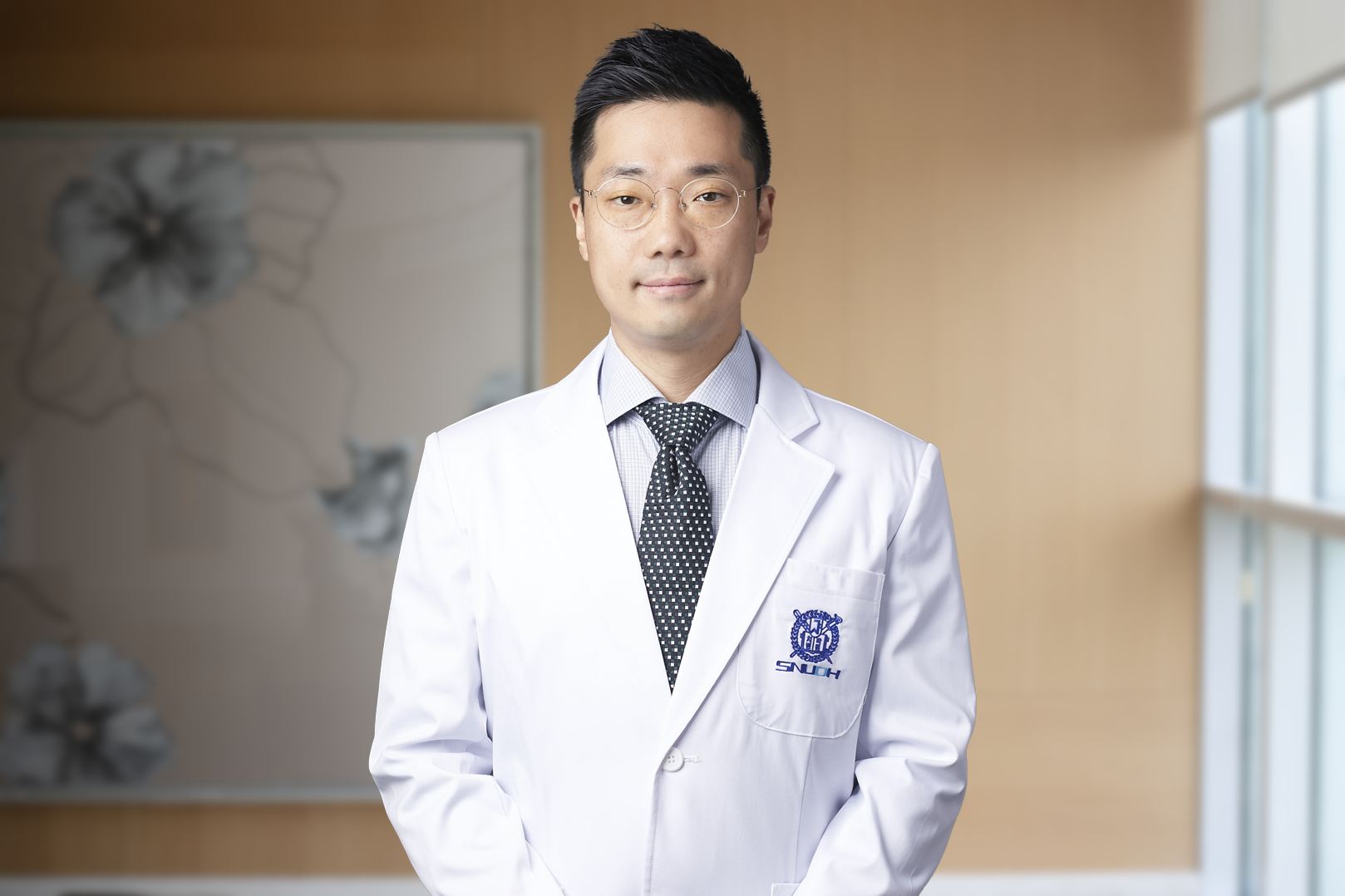

치과약리학교실
조교수
-
- 전공
- 치과약리학/분자유전학
-
- 학위
- DDS, PhD, Patent Attorney
-
- 전화번호
- 02-880-2320
연구분야
|
| [Hallmarks of aging] |
| At Professor Woo-Jin Kim's laboratory, we are dedicated to unraveling the complexities of aging, particularly within the musculoskeletal system. Our primary focus is on the epigenetic changes that accompany musculoskeletal aging. By exploring these modifications, we aim to understand the fundamental mechanisms that drive the aging process.
Our research delves into how macro-epigenetic changes—such as chromatin architecture—alter gene expression without changing the underlying DNA sequence. These changes can significantly impact the function and regeneration capacity of musculoskeletal tissues. By identifying and understanding these epigenetic alterations, we strive to develop innovative strategies for epigenetic recovery and rejuvenation. To explore the impact of large-scale epigenetic structural changes on aging, we utilize advanced epigenomic Next-Generation Sequencing (NGS) techniques, including Hi-C, ChIP-seq, and ATAC-seq. In addition, we employ multi-omics approaches, such as single-cell transcriptomics and spatial transcriptomics, to gain a comprehensive view of the transcriptional and epigenetic landscapes at both the cellular and tissue levels. Through a combination of these cutting-edge molecular biology techniques, genomic analyses, and collaborative interdisciplinary approaches, our team is working towards translating our findings into therapeutic interventions. Our ultimate goal is to contribute to healthier aging by restoring epigenetic patterns to their youthful states, thereby enhancing musculoskeletal function and reducing age-related degeneration. |
연구방법
|
DNA-seq (WGS, WXS, Target panel) We conduct research on various types of NGS-based DNA sequencing in our laboratory. DNA sequencing is fundamental to understanding genetic changes underlying various diseases and biological phenomena, enabling investigations into disease causation and biological factors. Currently, our laboratory focuses on studying aging using diverse mouse models and human models, with a particular emphasis on bone aging and cancer research. |
|
RNA-seq (Single cell, Spatial Transcriptome, Multiome) We possess expertise in NGS-based bulk and single-cell RNA sequencing analysis. Our research involves employing machine learning and statistical approaches to analyze gene expression changes which ranging from the single-cell level to case-control design with macro approach. Through these analyses, we can extract biological insights into time-temporal signals and relative differences in cellular communications. In particular, we are also conducting research on Aging and Alzheimer's disease using the latest NGS technology with spatial transcriptomics. |
|
Epigenome-seq (ATAC-seq, ChIP-seq, Hi-C) We are particularly interested in studying various types of epigenetic changes that regulate gene expression. By observing the diverse changes in the epigenome during cellular differentiation processes, we aim to interpret biological phenomena that cannot be explained solely by single NGS techniques. Recently, we have been planning to expand our research by incorporating single-cell level experiments, which will allow us to conduct studies that were previously focused on bulk approaches. |
|
Data analysis & Methodology We integrate various statistical approaches and bioinformatics methodologies for multi-omics genomic analysis. Our research involves the application of diverse analytical methodologies, ranging from machine learning to artificial intelligence utilizing GPUs, to effectively interpret the latest NGS technologies and develop novel methodologies. |
연구목록
- Yoon, H.; Kim, H.J.; Shin, H.R.; Kim, B.S.; Kim, W.J.; Cho, Y.D.; Ryoo, H.M.(2021-01-04). Nicotinamide Improves Delayed Tooth Eruption in Runx2+/− Mice. Journal of Dental Research. ()
- Shin, H.-R.; Kim, B.-S.; Kim, H.-J.; Yoon, H.; Kim, W.-J.; Choi, J.-Y.; Ryoo, H.-M.(2022-01-04). Excessive osteoclast activation by osteoblast paracrine factor RANKL is a major cause of the abnormal long bone phenotype in Apert syndrome model mice. Journal of Cellular Physiology. ()
- Rahman, S.U.; Kim, W.-J.; Chung, S.H.; Woo, K.M.(2023-03-12). Nanofibrous topography-driven altered responsiveness to Wnt5a mediates the three-dimensional polarization of odontoblasts. Materials Today Bio. ()
- Park, S.G.; Kim, W.-J.; Moon, J.-I.; Kim, K.-T.; Ryoo, H.-M.(2023-01-12). MESIA. Scientific reports, Scientific Reports. ()
- Moon, J.-I.; Kim, W.-J.; Kim, K.-T.; Kim, H.-J.; Shin, H.-R.; Yoon, H.; Park, S.G.; Park, M.-S.(2023-01-10). Foci-Xpress. International journal of molecular sciences, International Journal of Molecular Sciences. ()
- Lee, M.C.; Jodat, Y.A.; Endo, Y.; Rodríguez-delaRosa, A.; Zhang, T.; Karvar, M.; Al Tanoury, Z.; Quint, J.(2024-01-12). Engineering large-scale hiPSC-derived vessel-integrated muscle-like lattices for enhanced volumetric muscle regeneration. Trends in Biotechnology. ()
- Kim, J.; Lee, M.C.; Jeon, J.; Rodríguez-delaRosa, A.; Endo, Y.; Kim, D.-S.; Madrigal-Salazar, A.D.; Seo, J.W.(2025-01-01). Combinational regenerative inductive effect of bio-adhesive hybrid hydrogels conjugated with hiPSC-derived myofibers and its derived EVs for volumetric muscle regeneration. Bioactive Materials. ()
- Kim, H.-J.; Shin, H.-R.; Yoon, H.; Park, M.-S.; Kim, B.-G.; Moon, J.-I.; Kim, W.-J.; Park, S.G.(2023-01-08). Peptidylarginine deiminase 2 plays a key role in osteogenesis by enhancing RUNX2 stability through citrullination. Cell Death and Disease, Cell death & disease. ()
- Kim, W.J.; Cho, Y.-D.; Ku, Y.; Ryoo, H.-M.(2022-01-12). The worldwide patent landscape of dental implant technology. Biomaterials Research. ()
- Kim, W.-J.; Bae, J.; Lee, E.-H.; Kim, J.; Kim, P.-J.; Ma, P.X.; Woo, K.M.(2024-01-10). Long noncoding RNA MALAT1 mediates fibrous topography-driven pathologic calcification through trans-differentiation of myoblasts. Materials Today Bio. ()
- Kim, H.-J.; Kim, W.-J.; Shin, H.-R.; Yoon, H.-I.; Moon, J.-I.; Lee, E.; Lim, J.-M.; Cho, Y.-D.(2022-01-03). ROS-induced PADI2 downregulation accelerates cellular senescence via the stimulation of SASP production and NFκB activation. Cellular and Molecular Life Sciences. ()
- Kim, W.-J.; Islam, R.; Kim, B.-S.; Cho, Y.-D.; Yoon, W.-J.; Baek, J.-H.; Woo, K.-M.; Ryoo, H.-M.(2017-01-10). Direct Delivery of Recombinant Pin1 Protein Rescued Osteoblast Differentiation of Pin1-Deficient Cells. Journal of Cellular Physiology. ()
- Kim, W.-J.; Kim, B.-S.; Cho, Y.-D.; Yoon, W.-J.; Baek, J.-H.; Woo, K.-M.; Ryoo, H.-M.(2017-01-08). Efficiency data of intracellular recombinant protein delivery using cationic lipid coated silk fibroin particle. Data in Brief. ()
- Kim, W.-J.; Shin, H.-L.; Kim, B.-S.; Kim, H.-J.; Ryoo, H.-M.(2020-01-08). RUNX2-modifying enzymes. Experimental & molecular medicine, Experimental and Molecular Medicine, Korean Journal of Biochemistry. ()
- Kim, B.; Shin, H.; Kim, W.; Kim, H.; Cho, Y.; Yoon, H.; Baek, J.; Woo, K.(2020-01-02). PIN1 Attenuation Improves Midface Hypoplasia in a Mouse Model of Apert Syndrome. Journal of Dental Research. ()
- Kim, H.-J.; Kim, W.-J.; Ryoo, H.-M.(2020-01-02). Post-Translational Regulations of Transcriptional Activity of RUNX2. Molecules and cells, Molecules and Cells. ()
- Kim, W.J.; Soh, Y.; Heo, S.-M.(2021-01-01). Recent advances of therapeutic targets for the treatment of periodontal disease. Biomolecules and Therapeutics. ()
- Kim, W.-J.; Ryu, J.-H.; Kim, J.W.; Kim, K.-T.; Shin, H.-R.; Yoon, H.; Ryoo, H.-M.; Cho, Y.-D.(2024-01-01). Bone-targeted lipoplex-loaded three-dimensional bioprinting bilayer scaffold enhanced bone regeneration. Regenerative Biomaterials. ()
- Kim, W.-J.; Kim, B.-S.; Cho, Y.-D.; Yoon, W.-J.; Baek, J.-H.; Woo, K.-M.; Ryoo, H.-M.(2017-01-04). Fibroin particle-supported cationic lipid layers for highly efficient intracellular protein delivery. Biomaterials. ()
- Jeong Ryu, S.; Ju, J.-M.; Kim, W.; Bum Kim, M.; Hee Oh, K.; Sup Lee, D.; Lee, H.; Eun Oh, J.(2015-06-10). Alleviation of skin inflammation after Lin- cell transplantation correlates with their differentiation into myeloid-derived suppressor cells. Scientific reports, Scientific Reports. ()
- Islam, R.; Yoon, H.; Kim, B.-S.; Bae, H.-S.; Shin, H.-R.; Kim, W.-J.; Yoon, W.-J.; Lee, Y.-S.(2017-01-12). Blood-testis barrier integrity depends on Pin1 expression in Sertoli cells. Scientific reports, Scientific Reports. ()
- dos Santos, D.M.; Moon, J.-I.; Kim, D.-S.; Bassous, N.J.; Marangon, C.A.; Campana-Filho, S.P.; Correa, D.S.; Kang, M.-H.(2024-03-09). Hierarchical Chitin Nanocrystal-Based 3D Printed Dual-Layer Membranes Hydrogels. ACS Nano. ()
- Cho, Y.; Yun, J.; Kwon, S.; Eom, Y.; Kim, W.(2022-01-01). Aggregate removal of particulate matter by selective protein-rich fraction of Moringa oleifera extract. Journal of Industrial and Engineering Chemistry. ()